

(Book Only If You Have Investment Capability Between ₹3Cr-₹70Cr)
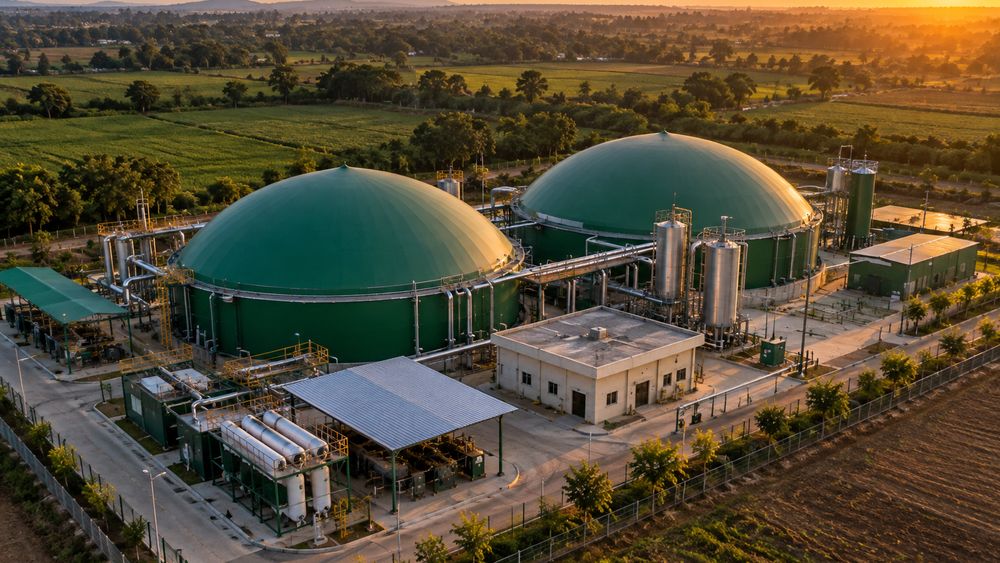
Our manufacturing partner generated 59.88 lakhs in the month of April 2025 by selling Compressed Biogas (CBG). He is looking for partners to expand his project size from 3 TPD to 12.5 TPD
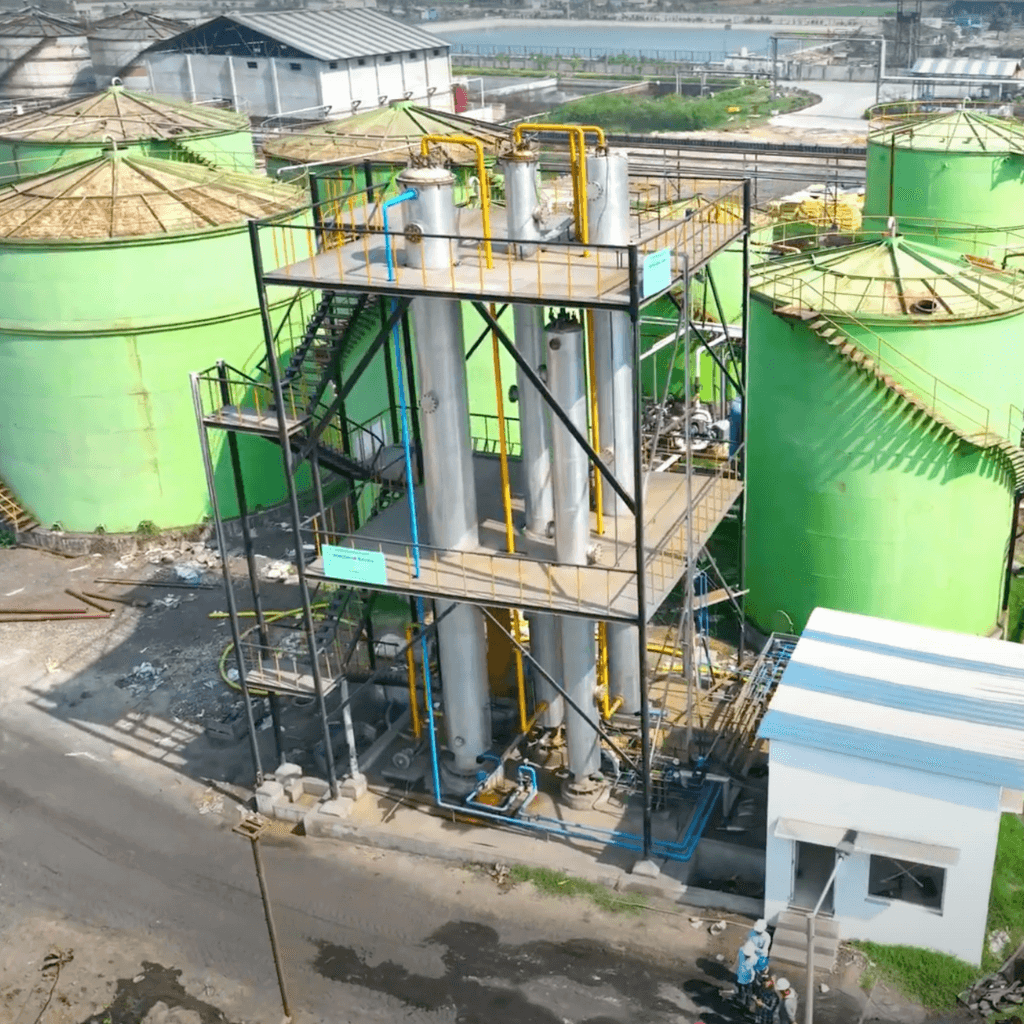
One of the biggest sugar & distillery groups of UP is producing 3.5 TPD CBG from spent wash. After their project expansion, they will produce 15 TPD CBG worth ₹3.12 Crore per month

Choose a strategically located site that complies with zoning norms, offers access to feedstock, water, electricity, and transport, and meets pollution control board criteria. Tip: Proximity to feedstock and off takers (e.g., OMCs or industries) cuts logistics costs.

Analyze the type, quantity, and consistency of organic waste available — like agri residues, press mud, cattle dung, or municipal waste. Evaluate potential gas output, capital expenditure, and ROI. Includes: Preliminary DPR, land layout plan, yield projections.

Choosing the right technology stack is crucial for the performance, scalability, and ROI of your CBG project. It must be tailored to your feedstock profile, plant capacity, and end-use strategy while ensuring operational reliability and compliance with SATAT and BIS standards.

Get regulatory clearances like State Pollution Control Boards, (SPCB), Petroleum Explosives Safety Organisation (PESO), and SATAT LOIs early to avoid project delays. Proceed with structured EPC execution, covering civil works, machinery setup, and trials.

With permits and technology finalized, the EPC phase begins covering civil works, equipment procurement & installation, and integration of digestion, purification, and bottling systems. A capable EPC partner ensures timely execution, dry and wet performance trials, utility setup, and on-site staff training. This phase aligns technical and operational systems to ensure safe, efficient, and compliant plant functioning laying the foundation for long-term success and consistent CBG production.

Post commissioning, begin CBG production and monetize through gas sales, organic manure, carbon credits, and optional fertilizer blending. Daily monitoring of feedstock, gas purity, and system uptime is essential. Using SCADA or IoT systems boosts efficiency and compliance. Success lies in optimizing operations, minimizing downtime, and extracting full value from by products ensuring your plant remains profitable, sustainable, and future ready from Day 1.
Mr. Atul Saxena, Founder - Growdiesel with former Chief Minister Smt Sheila Dikshit ji inaugurating Delhi's first CBG project inside Delhi Secretariat (CM office) in 2010. This is when our team expanded from biodiesel to CBG.

Growdiesel established CBG project in Haryana that operates on multi-feedstock such as cow dung, paddy straw, slaughter house waste & effluent. The CBG is further used to generate electricity.

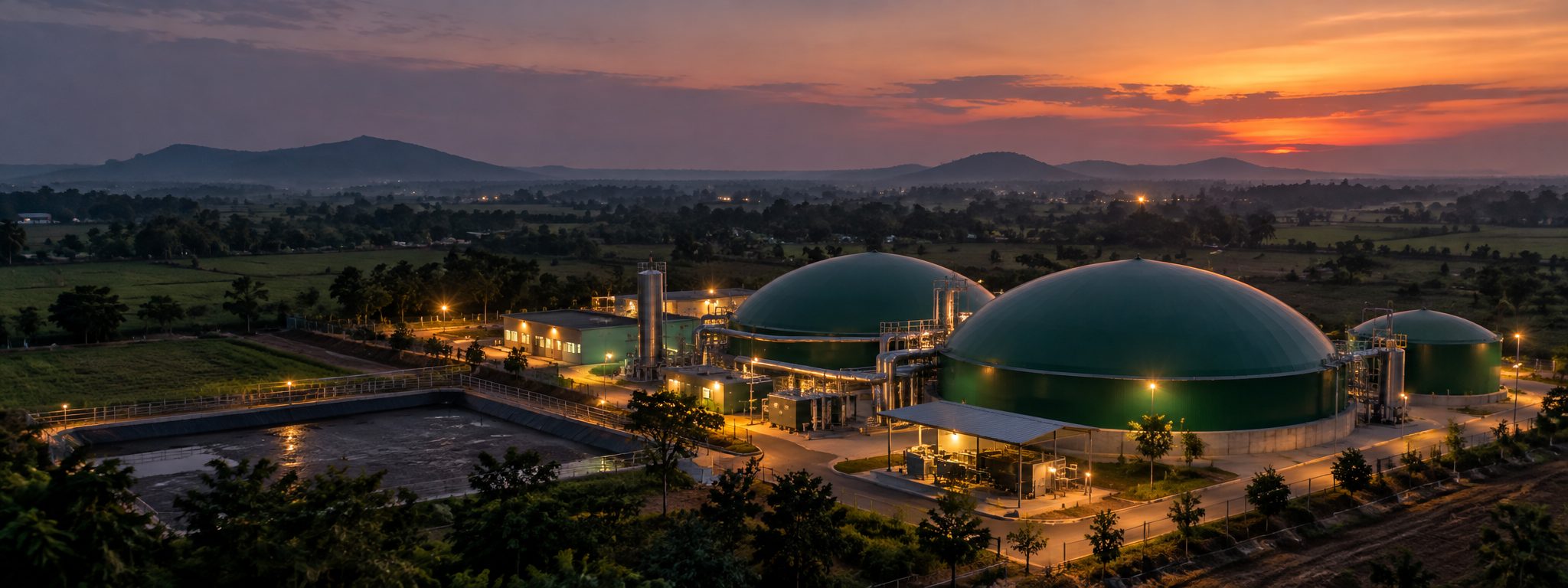
A 3 TPD green field CBG project by Mr. Anmol and his brother commissioned in November 2024 operates on Press Mud, Cow Dung, Napier, Maize. It is not dependent on single feedstock. They are also looking to expand the project to 12.5 TPD. If you would like to explore synergies, do let us know.

Sugar & Distilleries are becoming the CBG hubs and we are proud to share our partnership with WIPL, which has 12,000 TCD crushing capacity of sugarcane and 220 KLPD distillery, making it one of the biggest sugar & distillery groups of Utar Pradesh. The project is divided into 3 phases and after the 3rd phase, this plant will alone generate 15 Tons Per Day CBG.

Originally conceptualized by Baba Atomic Research Center & Municipal Corporation, Growdiesel partnered to provide upgraded CBG technology. Here, we processed 50 TPD on organic MSW waste to produce Bio-PNG which was supplied to nearby restaurants.

(Book Only If You Have Investment Capability Between ₹3Cr-₹70Cr)
LIVE Group Call for Project Developers in Initial Stage
LIVE Group Call + Session Recording + 3 CBG eBooks
Private One2One Consultation Call for People in Advance Stages of CBG project development + 3 CBG eBooks
CBG (Compressed Biogas) is purified biogas upgraded to over 95% methane—similar to CNG in quality and energy content. Unlike raw biogas, CBG is compressed, odorless, and suitable for industrial and vehicular use. It’s eligible for sale under the SATAT scheme, making it a marketable, high-purity green fuel with strong economic and environmental benefits.
Profitability depends on feedstock availability, plant size, technology, and offtake agreements. With proper design, CBG plants can achieve ROI in 3–5 years. Revenue comes from gas sales, carbon credits, and bio-fertilizer. Government subsidies and assured offtake (OMCs) further improve project economics. A well-planned project can generate 25–55% annual returns. However, the exact profitability for your respective plant will be known after a thorough Techno-Economic-Feasibility Report. Join the CBG discovery call to know more.
A small-scale CBG plant (2–5 TPD feedstock) requires at least 0.5–1 acre, while medium to large plants (10+ TPD) may need 4 acres. Land should have good road access, water and power supply, and meet pollution control board norms. Proximity to feedstock sources and offtake routes is also essential for cost efficiency. If you want to store feedstock for days/months, then additional land maybe required.
Common feedstocks include cattle dung, press mud, food/agricultural waste, poultry litter, paddy straw and municipal organic waste. The best feedstock is one that’s abundantly available, low in cost, and consistent in supply. During the consultation call, we assess your available resources and suggest the most viable mix based on gas yield potential and processing compatibility.
CBG projects qualify for multiple benefits including:
OMC LOIs under the SATAT scheme
MNRE capital subsidies
State-level bioenergy incentives
Priority lending and MSME benefits
We guide you through eligibility and help with application support to maximize financial assistance.
Timelines depend on project scale and readiness. Typically, a CBG plant takes 8–12 months from DPR finalization to commissioning. This includes permitting, land prep, equipment procurement, civil work, and trials. A good Techno-Economic Feasibility Report will help you give a realistic timeline.
You can sell CBG to Oil Marketing Companies (like Indian Oil, BPCL, HPCL) under the SATAT scheme at guaranteed rates. Alternatively, industrial buyers, fleet operators, or local transport hubs can also purchase it. We help identify the best offtake path based on location and production capacity.
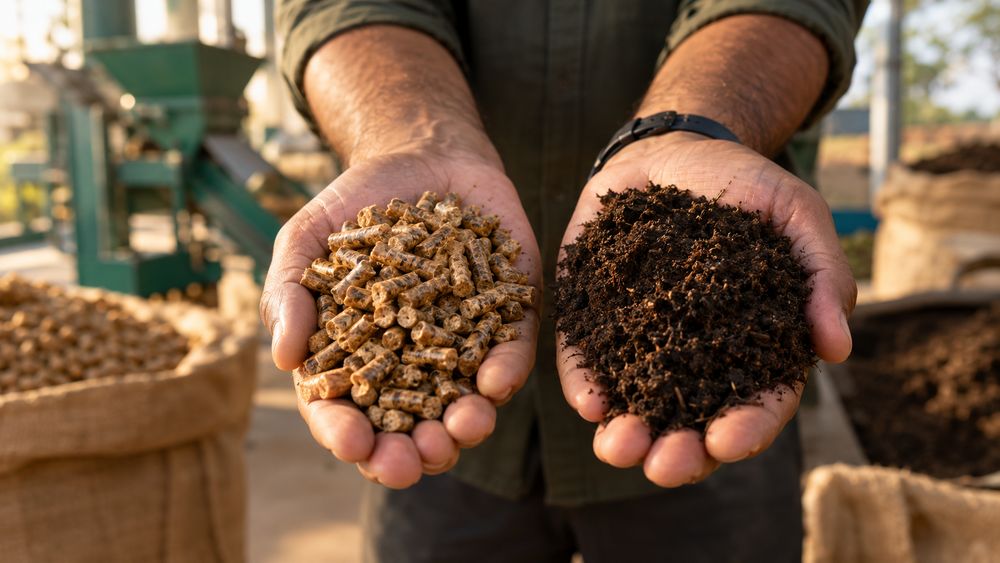
The main by-product is bio-slurry, which can be dried and sold as high-quality organic manure or compost. It’s rich in nutrients and has a ready market among farmers and agri-businesses. Some plants also process slurry into liquid fertilizer blends. By-products offer additional revenue streams when marketed well.
Let's answer this question with the help of analogy of a heart doctor-patient. A patient may have the knowledge how to improve is heart-health or he can look for a professional to help him out. Similarly, if you hire a professional consultant like us, we enable your CBG plant to be successful. We provide training, SOPs, and operations support during and after commissioning. You can also outsource O&M to third-party operators. Automation and monitoring tools like SCADA simplify daily management.
In the 90-minute CBG Discovery Call, you’ll get:
Personalized project assessment
Feedstock and land suitability analysis
Tech + subsidy guidance
Financial model overview
Clear next steps for launching your CBG project
It’s your roadmap to launch with clarity, confidence, and expert support.
(Book Only If You Have Investment Capability Between ₹3Cr-₹70Cr)